Google PPC
 January 13, 2026
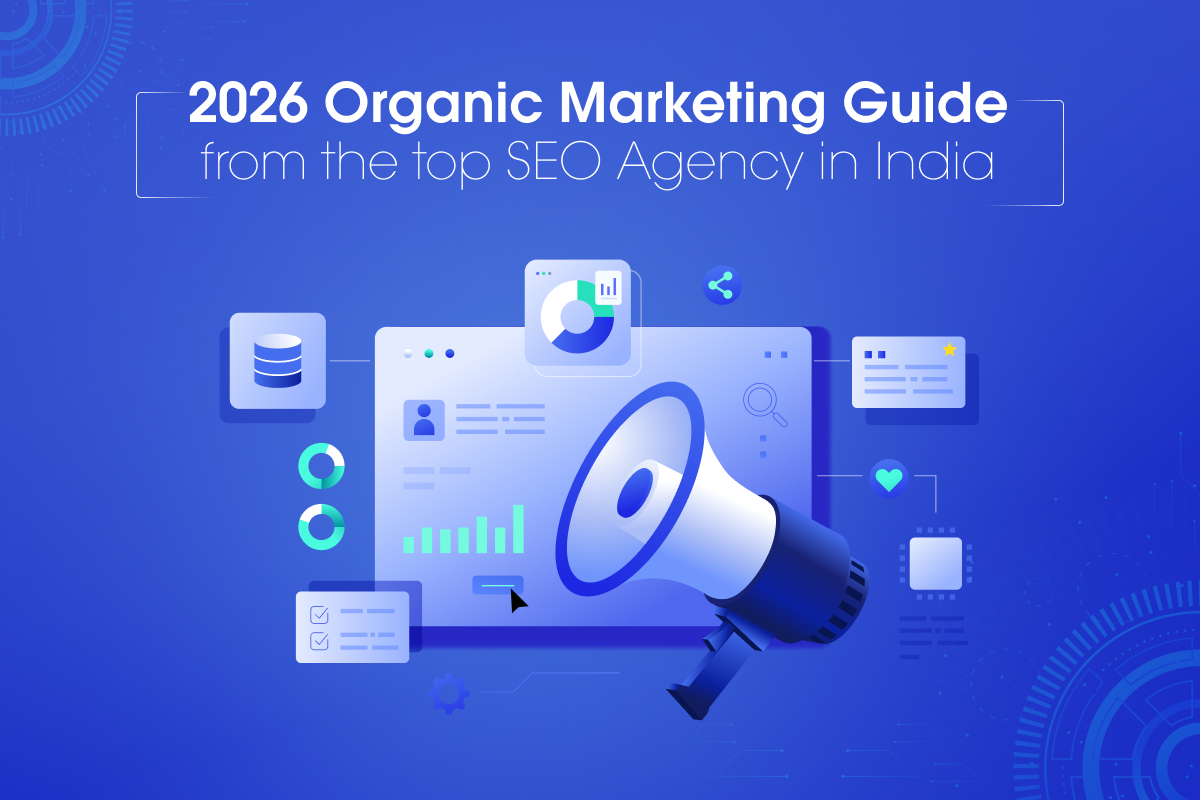
As an SEO agency in India, here’s something we want you to know: organic search supplies roughly 53% of trackable website traffic — more than any other single channel. (Brightedge)
Organic marketing builds long-term value in a crowded digital world of paid ads. Paid media can drive fast results. Organic marketing compounds over time. It is the set of tactics that attract and engage visitors. You can convert them without relying on ongoing ad spend.
This blog is your guide to organic marketing. In his blog, we explain what organic marketing is. You learn what it is, why it matters, the core tactics, and a clear plan to implement it.
What is Organic Marketing?
Organic marketing uses channels that don’t require constant ad budgets. It leans on relevance, authority, and user intent. The goal is steady, owned traffic. This includes search engine optimisation, content, social posts, and email outreach. Each piece feeds the rest.
Organic methods earn placement and attention. They rely on quality and consistency rather than paid placement. This makes results slower to start, but far more durable. Below are the core ideas that make organic work.
The Core Definition
Organic marketing focuses on being found. It targets people who already look for what you offer. It ensures that your content and site align with the needs of real users. Some examples of this include:
• Search Engine Optimization (SEO)
• Content Marketing
• Social Media Marketing
• Email Marketing
Organic differs from paid marketing in purpose and timeline, not value. Paid ads give speed and control. Organic gives permanence and a lower cost per acquisition over time.
Why ‘Organic’ Matters in Today’s Digital Landscape
Organic content matches real search intent. Users trust organic results more than ads. Over time, organic work compounds. A well-optimised article keeps bringing traffic. Social channels and ads can change overnight. Solid organic assets keep returning value.
Organic also becomes cost-effective. You pay for time and expertise up front. The ongoing cost to maintain traffic is lower compared with continuous ad spend. This is why many businesses pair paid campaigns with organic foundations.
The Pillars of Organic Marketing
All organic programs rest on a few pillars. Each one plays a clear role in growth.
Search Engine Optimization (SEO)
SEO is the backbone of organic visibility. Good SEO turns pages into reliable traffic channels. It’s the single best way to reduce long-term customer acquisition cost. It covers on-page, off-page, and SEO.
On-page optimization is all about picking the right keywords.
Professionals focus on the title and meta descriptions. They ensure the content is useful and scannable by using headings and answering user questions.
Off-page builds authority through relevant backlinks. Reach out for guest posts and create link-worthy resources. Technical covers speeding up the pages. It ensures the sites are mobile-friendly. The providers make sure the search engines can crawl and index your pages. They fix errors and use structured data when it helps.
Content Marketing
Content answers the questions your audience types into search engines. It builds trust. It earns links. With the help of content, you can produce clear guides and how-tos. Professionals write industry-specific posts that solve real problems. They add visuals — charts or short videos — to help comprehension.
Content should serve intent first. Optimize for search, but write for humans. If you help users, search engines will follow.
Social Media Organic Reach
Organic social builds community and signals relevance. Use it to amplify content and start conversations. Focus on user-generated content and reviews. Make sure you reply promptly and start real conversations.
Customise approach to each platform: LinkedIn for B2B thought leadership, and Instagram and Pinterest for visual brands. Organic social won’t replace search traffic. But it strengthens brand signals and referral pathways.
Email Marketing
Email is direct, owned contact with your audience. With email marketing, you can build lists through useful offers. Nurture with segmented sequences and use newsletters to keep evergreen content alive. It keeps increasing leads without ad costs.
Organic Marketing vs Paid Marketing: Understanding the Balance
Organic and paid both matter. They just work differently.
| Point of Difference | Organic Marketing | Paid Marketing |
| Timeline | Long term | Immediate |
| Cost | No cost | Needs a budget |
| Use Case | Helps to lock in ongoing traffic and reduce long-term spend | Helps to test messages and scale wins |
The advantage of organic is the compound effect. A single high-quality page can generate leads for years. Paid ads stop the moment the budget ends. Smart teams run both in parallel: test with paid, then feed winning content into the organic pipeline.
How to Build an Effective Organic Marketing Strategy
Once the foundations are clear, turn ideas into action. Start with a structured organic marketing plan. Build it around audience insight, search intent, and consistent execution. Here are some clear steps you can follow.
1. Define Your Target Audience
Pay attention to the goals and pain points of your audience. Map common questions they search for. Use this to set content and SEO priorities.
2. Conduct Keyword Research
Look for search intent. Check if the users are researching, comparing, or ready to buy. Prioritise keywords that match the user’s journey. Don’t just use short-tail or long phrases. Balance them.
3. Create High-Quality, SEO-Optimized Content
Write content to solve problems. Use natural language and prioritize clear headings. Optimize titles and meta descriptions. Only use keywords where they fit. And remember – publish on a regular schedule. You can also choose an affordable SEO for small businesses to maintain steady output while staying cost-efficient.
4. Build Your Backlink Profile
Backlinks still matter. Create linkable assets like research, data-driven posts, and useful tools. Do outreach to industry sites. Guest posts and partnerships also pay off. A focused campaign that targets relevant, authoritative sites helps search engines trust your content.
5. Optimize for User Experience
Make your site fast and navigation clear. Use readable fonts and scannable layouts. A good user experience reduces bounce and increases conversions. Make sure the design is. Technical fixes like compressed images and efficient caching cut load times.
6. Measure, Analyze, and Adjust
Track organic traffic, rankings, engagement, and conversions. Use Google Search Console, Google Analytics, and an SEO platform to spot issues. Improve pages that underperform. Create follow-up content for topics that gain traction.
Ready to Grow Your Business Through Organic Marketing?
An organic marketing process can be sustainable. The entire process builds trust. It requires skill, patience, and consistent effort, though. Professional help often helps cut a lot of time to reach the desired results.
If you are a middle or small business, consider a company offering affordable SEO for small business plans. They balance expertise with a budget-friendly model. At the Indian SEO Company, we have helped businesses achieve measurable growth through organic strategies. Our services cover on-page SEO, technical fixes, link building, and content marketing.
Contact the Indian SEO Company today for a website audit and discover how organic marketing can change your digital presence. As your trusted SEO agency in India, we’ll build a strategy that earns traffic and grows with your business.