Google PPC
 December 31, 2025
Many businesses take the help of a Google PPC agency to start a conversation about paid media. But what happens before buyers type a query? How do you reach people who don’t yet know they have a problem?
This guide walks you through how Discovery-style, visual ads capture attention early in the funnel and feed a healthy pipeline of TOFU leads.
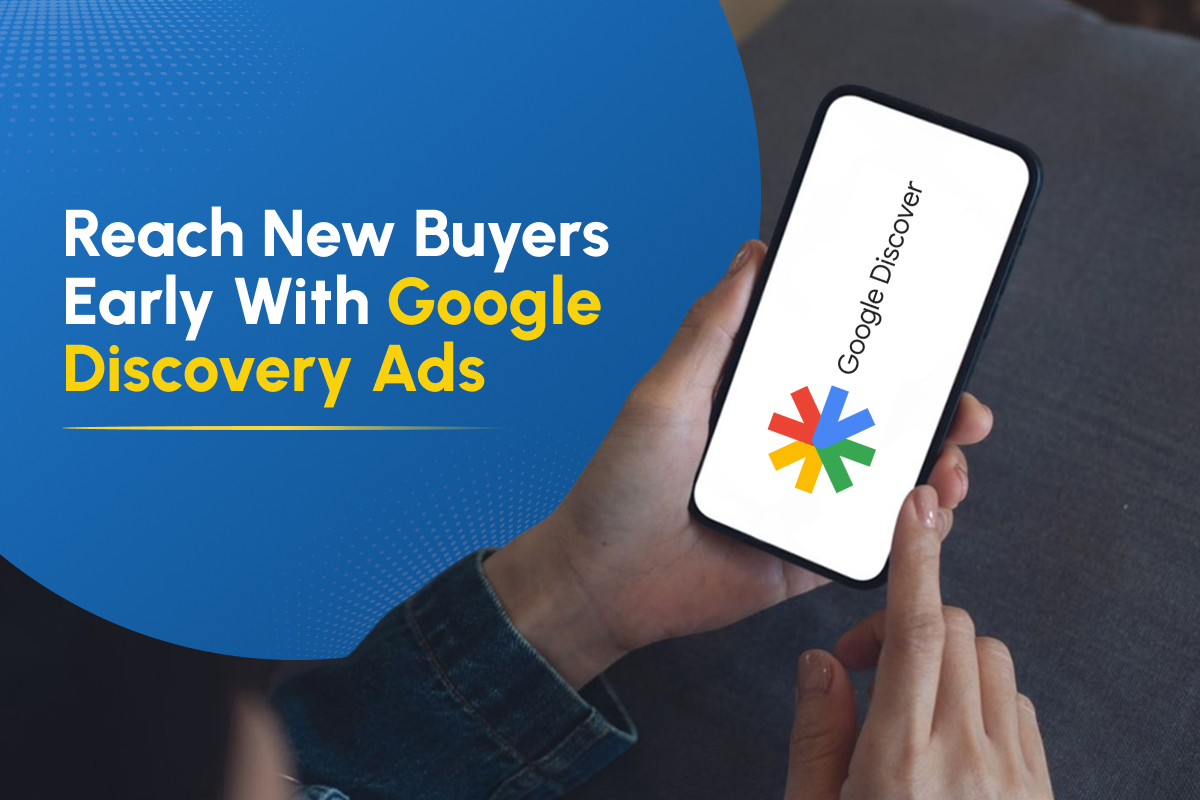
Discovery ads create intent. They place visual, inspirational messages inside feeds where people scroll, watch, and open mail. These placements include YouTube home and watch feeds, Gmail tabs, and the Google Discover feed. Together, they can reach billions of people — Google calls the potential audience “up to 3 billion monthly users.”
In this blog, we will discuss what Discovery (and its modern successor formats) are and why they matter for top-of-funnel marketing. You will learn how to plan and build campaigns, creative rules, and landing-page tips.
What Are Google Discovery Ads
Discovery ads are a native, visual ad format that shows up in personalized Google feeds. They look like social posts: image-forward, scrollable, and native to the environment. You will find them in the YouTube home, Gmail Promotions, Google Discover, and more. This placement mix makes discovery ideal for reaching people who aren’t actively searching yet.
Why Google Discovery Ads Matter for Your Marketing Funnel
Traditional search reaches people who already know the problem. Discovery reaches people who are open to new ideas. For brands that need awareness at scale, this “open” crowd is the supply of tomorrow’s demand.
Google has been evolving Discovery into broader formats (Demand Gen) that expand placements and AI-led optimization. If you’re setting up campaigns today, plan for the extra inventory and creative types that come with that change.
Understanding Google Discovery Ads
Discovery ads can be single images, carousels, or multi-asset visual creatives. They rely on Google’s audience signals. Machine learning puts your message in front of people who are likely to engage.
Key placements:
- YouTube Home, Watch Next, and Shorts.
- Gmail — Promotions and Social tabs.
- Google Discover feed.
Google ads differ from search ads as they are passive. Users find them while browsing. Search ads answer a question. Discovery ads spark curiosity.
The Top-of-Funnel Advantage
Think funnel:
- Awareness
- Consideration
- Conversion.
Most ad budgets overindex on the bottom of the funnel. This strategy yields quick wins but poor long-term lead flow. TOFU leads feed long-term growth. They let you build remarketing lists and nurture sequences.
Discovery ads win here because they put visual stories in front of large, relevant audiences at lower costs than many awareness channels. They broaden their reach to people who haven’t searched yet. This raises pipeline velocity when paired with a smart retargeting plan.
Key Benefits of Using Discovery Ads for Lead Generation
Discovery-style campaigns scale awareness efficiently while keeping relevance high. The benefits are practical and measurable.
- Massive Reach with Precision Targeting
You get direct access to Google’s feed inventory — billions of user touchpoints each month. But raw reach alone isn’t the point. Google’s machine learning and audience signals let you target by demographics, interests, in-market segments, and customer match. Use first-party lists to seed lookalikes. Layering signals helps retention of relevance as you scale.
- Visual Storytelling That Converts
Feed environments reward strong visuals. Discovery ads let you tell a short brand story with one image or a carousel of cards. This format works well for lifestyle products, service explainers, and any offer that benefits from context and emotion.
As the creative sits natively inside the feed, users experience it without friction. This native feel raises engagement rates compared with blunt banner inventory. Use lifestyle shots, benefit-led overlays, and clear branding to increase recall.
- Cost-Efficient Awareness Building
Discovery and the modern Demand Gen formats often deliver lower CPCs for awareness objectives than search or programmatic video. Smart bidding optimizes delivery toward the users most likely to take action. This includes target CPA, maximizing conversions, or value-based bidding. This often yields a stronger ROI for awareness campaigns.
How to Set Up High-Performing Discovery Ad Campaigns
Anyone can launch Discovery ads in minutes. Strong results come from disciplined choices across audiences, visuals, and data. Let’s break down how to do it right.
- Campaign Structure and Objectives
Start with a clear TOFU objective: site visits, video views, or lead capture. Allocate a dedicated TOFU budget separate from your bottom-funnel spend. This prevents bid cannibalization. It gives machine learning clear signals.
Recommended bidding options include:
- Maximize conversions (for volume at TOFU).
- Target CPA (for predictable cost per lead when combined with strong landing pages).
- Value-based options later, once you track downstream value.
When testing, run small, time-boxed experiments. Let Google’s learning phase complete fully. Wait for 7–14 days before judging performance.
- Audience Targeting Best Practices
For businesses targeting cities, pair national reach with city-level targeting and local ad copy. If you work with a Google Ads agency in India, ask them to run city tests before scaling. However, don’t rely on a single audience. Layer it. Here’s how it goes.
- Start with broader affinity audiences to build reach.
- Add in-market or custom intent audiences to focus on users showing search signals.
- Upload first-party customer lists for customer match and to create lookalikes.
- Test similar audiences vs. custom intent to see which yields better engagement.
- Use geo and language layers for local relevance — critical for regional performance and GEO optimization.
- Creative Requirements and Best Practices
Google’s asset specs favor mobile, high-quality images. Supply multiple aspect ratios so your creative adapts to placements. Keep file sizes small and deliver multiple headlines and descriptions. The creative rules to follow include –
- Lead with a single clear message.
- Use high-quality lifestyle imagery showing the product in use.
- Include a subtle, consistent logo.
- Test carousel vs. single image to find what drives better clicks and engagement.
- Design mobile-first — most delivery will be on small screens.
- Landing Page Optimization
TOFU landing pages should educate and invite a low-friction action. Prioritize clear continuity. Headline and hero image should match the ad creative. Ensure fast load times and mobile responsiveness. Newsletter signups, downloadable guides, and short contact forms help with micro conversions. Strong tracking helps to connect clicks to later conversions and revenue.
A common mistake most make is sending TOFU clicks to hard-sell product pages. Keep expectations aligned with the awareness stage.
Measuring Success: KPIs That Matter for Top-of-Funnel Campaigns
Discovery ad campaigns need different success metrics than search campaigns. Adjust your expectations and reporting. Here’s how to measure the success of your TOFU campaigns.
- Beyond Direct Conversions
Don’t measure TOFU only by immediate sales. The right KPIs include:
- Engagement rates (CTR, view rates, time on page).
- Assisted conversions and multi-touch attribution.
- New user acquisition cost (to compare with later funnel stages).
- List growth (email, retargeting pool size).
- Brand lift tests when possible.
Remember: a TOFU click that joins your remarketing list has downstream value. Track that value with attribution or experiments.
- Optimization Strategies
Optimization is iterative. A/B test creatives and headlines. Refine audiences using performance data. Pause segments that drain budget and scale those that drive engagement.
Use audience insights to create tailored retargeting ads that move prospects down the funnel. Pair Discovery campaigns with search and Performance Max for cross-channel lift. When performance stabilizes, scale gradually. Sudden budget spikes can throw the learning phase out of balance.
Quick Checklist Before Closing
- Goal: TOFU (awareness, traffic, list growth).
- Budget: separate from search bids. Run a 2–6 week test.
- Creative: 3 aspect ratios (1.91:1, 1:1, 4:5), multiple headlines, and a clear CTA.
- Audiences: start broad; add custom intent and customer match.
- Landing page: mobile-first, fast, headline match, simple CTA.
- Measurement: track assisted conversions, list growth, and audience size.
Turn Discovery Into Conversions with a Google PPC Agency That Delivers
Discovery-style campaigns are powerful but require discipline. Creative, audience strategy, and conversion paths must work together. Many businesses prefer to offload this to experts so they can focus on core operations.
If you want a partner that understands both paid media and local SEO realities — including affordable SEO for small businesses and regional audience behaviour — look for agencies that combine PPC management with landing-page and SEO expertise.
At the Indian SEO Company, we provide PPC and Google Ads management services and a hands-on, data-driven approach to campaign reporting and optimization. We run targeted campaigns and handle end-to-end setup. Businesses can capture early demand without the day-to-day complexity.
Ready to capture your audience before they even know they need you? Contact our specialist Google PPC agency to keep a steady flow of top-of-funnel leads. To schedule a consultation, call us at +91 9748504034 or drop an email at info@indian-seo-company.com.